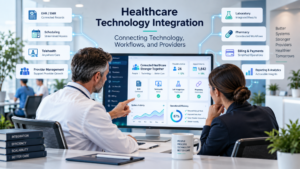
Did you know nearly 30% of a healthcare provider’s time goes to admin tasks, not patient care? This shows how important it is to improve workflow in medical facilities. A healthcare operations platform is made to solve this problem. It brings together admin and clinical tasks, making your practice run smoother.
These platforms handle scheduling, billing, and patient management. They help healthcare providers work better, cut down on admin work, and improve patient care. As healthcare changes, using these tools is more important than ever.
Key Takeaways
- A healthcare operations platform can significantly reduce administrative workload.
- These platforms enhance patient interactions and overall care quality.
- Streamlining tasks such as scheduling and billing improves operational efficiency.
- Implementing a comprehensive solution can lead to better resource management.
- Choosing the right platform is essential for maximizing benefits.
Understanding Healthcare Operations Platforms
Healthcare operations platforms are all-in-one software solutions. They help manage both the admin and clinical sides of healthcare. These platforms make things more efficient and easier to use, helping with digital health management.
They often have features like scheduling appointments, automating billing, and tracking patients. These tools are made to keep up with the fast pace of today’s healthcare.
Definition and Key Features
A good healthcare technology solution has many features in one easy-to-use place. This makes care coordination better, cuts down on mistakes, and helps teams work together. It also makes sure healthcare teams have quick access to important info.
This makes both work processes and patient care better. Longevity Health Plans is a great example. It combines new clinical ideas with systems that grow with needs, ensuring top-notch care for patients.
Importance in Modern Healthcare
Healthcare operations platforms are very important. They help manage patient data, follow rules, and keep care quality high. By using these platforms, healthcare workers can make patient care better and make things run smoother.
Using these tools right can lead to better health outcomes and more efficient work. This shapes the future of how healthcare is delivered.

Benefits of Using a Healthcare Operations Platform
Using a healthcare operations platform brings big benefits to clinic management. It makes operations more efficient, improves patient care, and streamlines admin tasks. Here are the main advantages of using this technology in your clinic.
Improving Operational Efficiency
Operations efficiency software automates tasks like scheduling and billing. This cuts down on manual work, making workflows faster. It also lowers costs, freeing up resources for more important tasks.
Enhancing Patient Experience
Today, improving patient engagement is key. Features like online scheduling and reminders keep patients involved. This leads to happier patients and better retention.
Streamlining Administrative Tasks
Healthcare platforms make admin tasks like billing and patient communication easier. This frees up staff to focus on patient care. It makes work better and helps deliver top-notch healthcare. For more benefits and support, join our community at healthcare product support.
Core Functions of Healthcare Operations Platforms
Understanding the key functions of a healthcare operations platform can greatly improve your practice. These platforms help organize better, streamline processes, and improve workflow. Focusing on three main functions can significantly impact your practice management:
Appointment Scheduling and Management
Appointment scheduling is key to keeping patient flow and engagement smooth. A good healthcare operations platform offers automated reminders and easy rescheduling. This boosts patient attendance and helps healthcare professionals manage their time better.
Billing and Revenue Cycle Management
Effective billing and revenue cycle management are essential for a healthcare practice’s financial health. Integrated billing solutions help streamline claims and track revenue. A top-notch platform offers tools to manage billing, reducing delays and improving cash flow.
Insurance Verification and Claims Processing
Insurance verification tools are vital for accurate and efficient claims processing. They conduct pre-appointment checks to reduce denials and smooth out reimbursement. These tools benefit both providers and patients by improving service delivery.
| Core Function | Description | Benefits |
|---|---|---|
| Appointment Scheduling | Automated reminders and rescheduling options | Increased patient attendance and optimized schedules |
| Billing and Revenue Cycle Management | Streamlined claims submissions and revenue tracking | Improved cash flow and minimized delays in collections |
| Insurance Verification | Pre-appointment eligibility checks to confirm coverage | Reduced claim denials and enhanced reimbursement processes |
How Healthcare Technology Solutions Transform Practices
Healthcare technology solutions are key in today’s medical world. They help different parts of healthcare work together smoothly. This makes operations more efficient and patient care better.
Integration and Interoperability
Integration and interoperability are at the heart of these solutions. They let different systems talk to each other without trouble. This cuts down on mistakes and waits in patient care.
It’s all about making healthcare work better together. This way, doctors can quickly get to patient data from anywhere.
Data Management and Reporting Capabilities
A good health system tool is great at managing and reporting data. Doctors can collect, analyze, and share data easily. This helps track how patients are doing and how well the practice is doing.
With the right data, doctors can make better choices. This improves care and makes things run smoother.
Real-time Communication Tools
Real-time communication tools are essential for teamwork and patient care. They make sure everyone gets the information they need fast. This leads to better care and happier patients.
Choosing the Right Healthcare Operations Platform for Your Practice
Choosing a healthcare operations platform is a big decision. You need to think about what your clinic needs and what you want to achieve. Knowing your clinic’s unique features helps you find the right software.
Identifying Your Practice Needs
It’s important to know what your clinic needs. Think about things like scheduling appointments, handling bills, and managing patients. This helps you find a platform that fits your clinic’s needs.
Evaluating Vendor Options
Look for vendors that know your field well. Check their experience and what other clients say. A good platform should have all the features you need and have success stories to back it up.
Cost Considerations and Budgeting
Think about all the costs of the software. This includes the initial fees, setup costs, and ongoing fees. Make a budget that covers these costs and helps your clinic stay financially stable. This way, you avoid surprises and keep your finances in line with your goals.
Case Studies: Successful Implementation of Healthcare Operations Platforms
Case studies show how healthcare operations platforms change practices. They make workflows better, improve patient care, and streamline admin tasks. We’ll look at two examples. They show how these platforms help small practices and big clinics.
Improving Workflow in Small Practices
A small practice used practice management software to get better. Before, they had scheduling problems and slow billing. With the new platform, they saw big changes:
- Enhanced scheduling capabilities, cutting down wait times.
- Accelerated billing cycles, boosting cash flow.
- Increased staff satisfaction, letting them focus on patients.
Integration in Multi-Specialty Clinics
A big clinic had trouble sharing patient data between departments. A healthcare administration platform fixed this. It made sharing data easy, leading to:
- Elimination of redundant tests, better patient experience.
- Faster decision-making, with up-to-date data for all.
- Reduction in errors, improving care quality.
These examples show how platforms can change a practice. They make things more efficient and better for patients. Whether it’s a small office or a big clinic, these systems bring real benefits.
| Practice Type | Challenges Faced | Solutions Implemented | Results Achieved |
|---|---|---|---|
| Small Practice | Scheduling conflicts, delayed billing | Practice management software | Improved cash flow, reduced wait times |
| Multi-Specialty Clinic | Data accessibility issues | Healthcare administration platform | Enhanced care delivery, reduced errors |
Conclusion
A healthcare operations platform is key for handling today’s healthcare challenges. It makes workflows better, improving patient care and financial management. These systems help healthcare leaders manage tasks better and boost patient outcomes.
As healthcare changes, using a healthcare operations platform is more important than ever. It’s a must for any practice wanting to stay efficient and succeed long-term. These tools help automate medical facilities, letting staff focus on quality care and simplify admin tasks.
Adopting these systems creates a more connected, efficient, and patient-centered place. Choosing the right healthcare tech now will help your practice grow. It meets today’s healthcare needs and patient expectations.