Did you know that by 2021, over 80% of primary care doctors in the U.S. were using telemedicine? This shows how important telehealth is for clinics today. It helps clinics reach more patients and improve care, which is key in areas that need it most. The COVID-19 pandemic made telemedicine even more important, opening up new ways for clinics to work better.
This guide offers key insights and tips on setting up a strong telehealth system for your clinic. It’s all about making patient care better and making your clinic run smoother. Using good telehealth technology can change how you manage patients and work with other healthcare teams.
Key Takeaways
- Over 80% of primary care physicians had adopted telemedicine by 2021.
- Telehealth infrastructures enhance patient access and quality of care.
- COVID-19 accelerated the necessity for telehealth solutions.
- Establishing telehealth systems improves clinic efficiency.
- Reliable technology platforms facilitate better patient management.
Understanding Telehealth Technology Solutions
Adding telehealth technology to your clinic makes services better and patient talks smoother. Many tools help with virtual care. This lets healthcare providers easily reach out to patients.
Overview of Telehealth Technologies
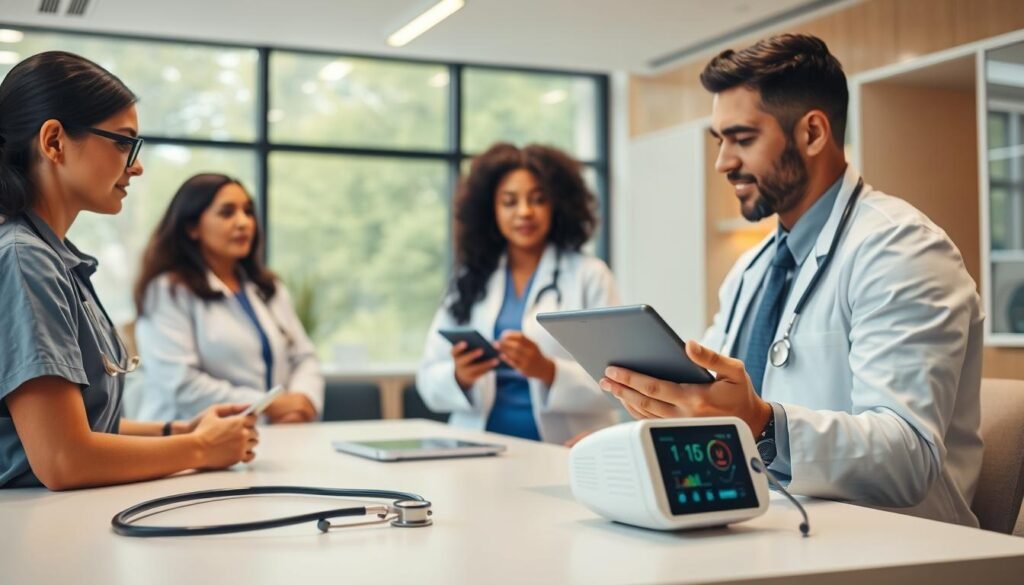
Telehealth uses new tech to change healthcare. It includes video chats, mobile apps, and tracking patients from afar. These tools help doctors and patients talk well, building strong bonds.
With telehealth, doctors can help patients quickly, no matter where they are. This breaks down old barriers like distance and hard access.
Key Components of Telehealth Systems
For a good telehealth system, you need:
- Secure video chats that keep patient info safe.
- Tools that link to electronic health records for easy access.
- Ways to check on patients from afar.
These parts work together for quick checks and talks. They make work flow better and care better too. Using these tech solutions is key to updating your clinic and giving patients top care.
Benefits of Telehealth Infrastructure for Clinics
Telehealth brings many benefits to clinics, improving patient care and making operations more efficient. It helps healthcare providers meet the changing needs of patients. This leads to better service delivery in many ways.
Improved Patient Access and Care
Telehealth makes it easier for people in rural or underserved areas to get care. They can talk to doctors without leaving home, saving on travel costs and time. This is key for managing health issues or for those needing regular check-ups.
With the right digital tools, clinics can offer more frequent and meaningful patient interactions. This allows for better monitoring and support for various health needs.
Cost-Effective Healthcare Delivery
Using telemedicine can cut down on costs for clinics. It reduces the need for in-person visits, saving on overhead. This also lowers no-show rates and makes resource use more efficient.
By adopting telemedicine, clinics help make healthcare more sustainable. They can keep providing high-quality care without breaking the bank.
Enhanced Patient Satisfaction and Engagement
Patients are happier when they can see doctors from home. Telehealth makes them feel valued and understood. It also helps doctors manage chronic conditions better, leading to better health outcomes.
For easy access to services, healthcare professionals can log in securely at the provider portal. This makes managing patient care more efficient.
Telehealth Infrastructure for Clinics: Key Considerations
Before starting telehealth, clinics must think about several key points. They need to look at technical needs and follow legal rules. This helps them offer remote care well.
Assessing Technical Requirements
First, check the tech needs for telehealth. Look at internet speed, device compatibility, and how easy it is to use. Making sure everyone can use it well makes care better.
Legal and Compliance Issues in Telehealth
Legal rules are very important for telehealth. Clinics must follow HIPAA to keep patient info safe. They also need to pick a platform that helps them follow these rules.
Choosing the Right Telehealth Platform
Picking the right telehealth platform is key. Look at how well it works with your current systems, how easy it is to use, and what services it offers. This helps your clinic use telehealth well, improving care and work flow.
Implementing Effective Telemedicine Services
To make telemedicine work well, you need a solid plan that covers tech and people. It’s key to train your healthcare team on using telehealth platforms. This training helps them give better care, which is important for patients with ongoing health issues.
Training Staff for Telehealth Usage
Teaching healthcare pros how to use telemedicine is a must. It makes them feel sure and skilled. They need to know how to help patients with virtual visits.
It’s important to offer both the first training and ongoing help. Regular workshops can help keep their skills sharp and up-to-date with new tech.
Utilizing Remote Patient Monitoring Systems
Using remote patient monitoring systems can really help improve care. This tech lets you track patients’ health in real-time. It helps spot health problems early.
It’s important for staff to know how to use the tech and understand the health data it collects. This helps them create care plans that are just right for each patient.
Ensuring Data Security and Patient Privacy
Keeping patient data safe is a big deal in telemedicine. All services must follow HIPAA rules to protect patient info. It’s important to have strong plans for handling data and what to do in case of a breach.
Training staff on keeping patient info private is also key. It shows them how important it is to keep health info safe.
Conclusion
Building a strong telehealth system for clinics is key to better service and meeting patient needs. Using telehealth technology improves care and makes it easier for patients to access. It also helps cut costs and keeps patients more involved in their health.
As healthcare changes after the pandemic, focusing on telemedicine is critical. You need to think about tech needs, legal rules, and training staff well. This way, your clinic can use telehealth fully and keep providing top-notch care.
Starting this journey will make your clinic better and show you’re ahead in healthcare. Focusing on telehealth will make your practice stronger. It will meet patient needs and help improve health over time.