
Did you know over 80 peptide drugs have been approved worldwide? This shows how important peptide therapy is in medicine today. It helps treat many health issues with precise treatments. You’ll see how peptide therapy is changing patient care.
This article will cover the basics of peptide therapy. We’ll look at its uses in different medical fields, its benefits, and challenges. We’ll also talk about new research in peptide therapy. This includes how to make and control peptides better for healthcare.
Key Takeaways
- Peptide therapy is gaining prominence with over 80 approved peptide drugs, highlighting its clinical significance.
- Therapeutic peptides offer targeted treatment options across various medical specialties.
- Understanding peptide therapy’s clinical applications can enhance patient outcomes.
- Research advancements are continually improving the efficacy and safety of peptide drugs.
- Addressing regulatory considerations is key for peptides in clinical practices.
Understanding Peptide Therapy
In recent years, peptides have become a big deal in healthcare. They are short chains of amino acids that are key to proteins and many biological functions. Their use in medicine has opened up new ways to treat diseases.
What Are Peptides?
Peptides are short sequences of amino acids, usually between two and fifty. They act as hormones, neurotransmitters, and enzymes in our bodies. This has led to research on their use in medicine, showing their importance.
The Role of Peptides in the Body
Peptides interact with cells to trigger important responses. They help keep our bodies balanced, control metabolism, and boost our immune system. This makes them a focus for new treatments.
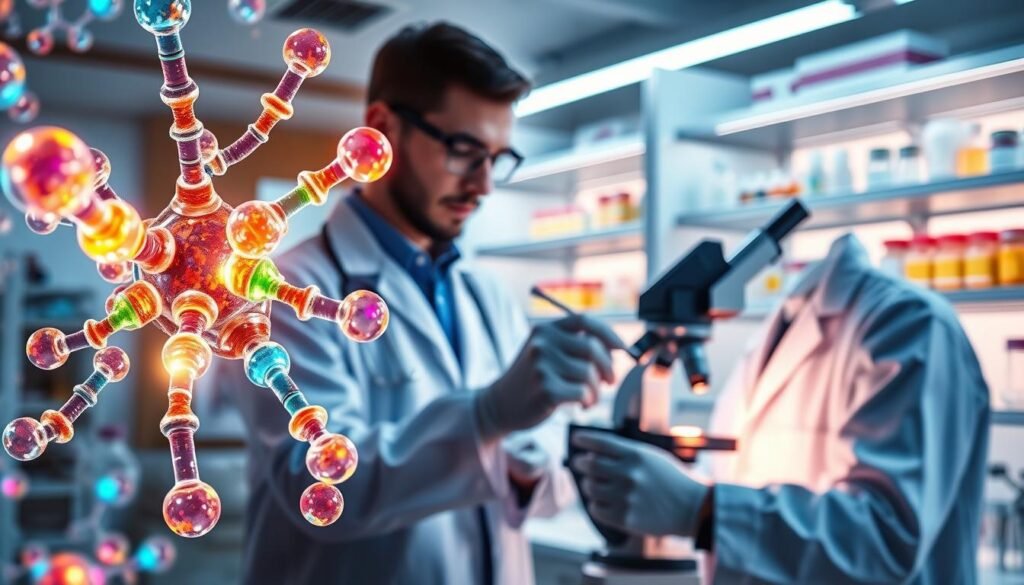
Peptides are showing great promise in treating diseases. They could lead to new treatments that improve patient care and tailor medicine to each person.
Peptide Therapy Clinical Use
Peptide therapy is becoming more popular in health care. It’s used to treat metabolic disorders, cancer, and infections. This new treatment uses peptides to target specific health issues better than old methods.
Applications in Metabolic Disorders
In managing diabetes, peptide therapy is key. Peptides like GLP-1 receptor agonists help control blood sugar and aid in weight loss. They show great promise in improving patient health, making peptide therapy a valuable tool in this field.
Oncology and Peptide-Based Treatments
Oncology is another area where peptide therapy shines. These treatments aim to kill cancer cells while reducing side effects. This precision is a step towards safer cancer treatments, showing the bright future of peptides in cancer care.
Addressing Infectious Diseases with Peptides
With antibiotic resistance growing, peptide-based treatments for infections are gaining attention. Studies show peptides can fight off pathogens effectively. This makes peptide therapy a hopeful solution for treating infections as traditional antibiotics lose their power.
Benefits of Peptide Treatments
Peptide treatments have many advantages, making them popular in today’s medicine. They are known for their high target specificity, fewer side effects, and ability to be customized. These features improve patient care and treatment results. Knowing these benefits helps doctors use peptide drugs better in their practice.
High Target Specificity
One big plus of peptide treatments is their high target specificity. This means they work directly with specific biological pathways. It reduces side effects, making treatments safer and more effective for patients.
Reduced Side Effects Compared to Traditional Drugs
Peptide treatments usually have fewer side effects than traditional drugs. This is great for long-term use in chronic conditions. With fewer side effects, patients are more likely to stick to their treatment plans, improving overall care.
Customization of Therapy
Customization in peptide therapy is a big step forward in personalized medicine. Doctors can adjust treatments to fit each patient’s needs. This personal touch makes treatments more effective and builds trust in the treatment process.
Challenges in Peptide Therapy
Peptide therapy is a promising area in medicine. But, it faces several hurdles that slow its adoption. It’s important for healthcare experts and leaders to understand these challenges, as they focus on treatments for a longer life.
Stability and Delivery Issues
Peptides can break down quickly in the body, mainly because of enzymes. This makes them less effective, mainly when taken by mouth. To fix this, new ways to deliver peptides are needed. These methods should help peptides stay active and reach the right places in the body.
Immunogenicity and Safety Concerns
Peptides can trigger the immune system to make antibodies against them. These antibodies can weaken the treatment’s effect. It’s key to check how likely a peptide is to cause this reaction. This ensures the treatment is safe and works well for patients.
Regulatory Considerations for Peptide Drugs
Creating peptide therapies involves strict rules set by regulatory bodies. These rules are in place to protect patients by ensuring the treatments are safe and effective. Detailed studies are needed to understand how these therapies work in the body. Meeting these rules is tough, but it’s essential for making peptide therapy a reality in hospitals.
Recent Advancements in Peptide Therapy Research
The field of peptide therapy has made big strides. New ways to make peptides have improved how we treat diseases. For example, solid-phase and microwave-assisted synthesis make it easier to produce more peptides.
This means scientists and drug makers can explore more peptides for medicine. It’s a big step forward in finding new treatments.
Innovations in Peptide Synthesis
New methods in making peptides have changed the game. They make production faster and the peptides better. This is key for making new medicines.
These advances help in many medical areas. They show how important peptide therapy is in hospitals today.
Use of Artificial Intelligence in Peptide Design
Artificial intelligence is changing how we make new medicines. AI helps predict how peptides work with our bodies. It also lets us make custom peptide libraries.
This speeds up finding new drugs. It means we can find medicines that really work for what we need.
Emerging Peptide Drugs and Their Applications
New peptide drugs are bringing fresh ideas to medicine. They can help with many health problems, like cancer and metabolic issues. This is a big step towards personalized medicine.
As research goes on, we see a bright future for peptide therapy. Peptides are becoming a big part of improving healthcare.
Conclusion
Peptide therapy is a big step forward in medicine. It offers a new way to tackle many health problems. With ongoing research, peptide drugs are showing great promise. They help with muscle recovery and skin health, among other things.
Even though making peptide drugs is tough, teams are working together. Researchers, doctors, and regulators are making progress. Their efforts are key to making peptide therapy a part of everyday medicine.
The future of peptide therapy looks bright. With more research, we can expect even more benefits. Doctors will be able to give better care to their patients, tackling new health challenges as they come.