Did you know that nearly 70% of healthcare organizations are planning to expand their services in the next five years? The healthcare world is changing fast. It’s more important than ever to have good scaling strategies.
These strategies help grow your patient base and keep care quality high. They also help your practice stay financially stable. With the right plans, healthcare providers can meet the growing needs of patients better.
Using modern software and improving workflows can make your practice more efficient. This leads to a more scalable and competitive business.
Key Takeaways
- Healthcare scaling strategies are vital for sustainable practice growth.
- Nearly 70% of organizations are planning service expansion.
- Effective growth plans improve patient care and financial health.
- Modern software can significantly streamline operations.
- Market penetration enhances competitive advantage.
Understanding Healthcare Scaling Strategies
Healthcare scaling strategies are a detailed plan to grow medical practices. It’s key to know the difference between *growth* and *scaling*. Scaling means doing more while keeping quality high.
Defining Growth vs. Scaling
Growth means doing more of the same. Scaling is about improving operations to handle more patients without losing quality. Moving to scaling means looking at processes and using resources better.
Importance of a Scalable Practice
A scalable practice boosts efficiency, which is vital in healthcare. A good plan for growth leads to happier patients and financial health. It prepares for future challenges and brings in new ways to improve care.

Strengthening the Operational Foundation
Creating a solid operational base is key for growing a healthcare business. Making processes smoother helps in delivering care consistently and boosts efficiency. This foundation is vital for expanding in the healthcare industry and keeping operations running smoothly.
Standardizing Processes for Consistency
Setting up standard processes means every staff member does things the same way. This leads to better patient experiences, as they get the same care from anyone. Adding healthcare optimization techniques helps automate tasks, reducing errors and ensuring top-notch service.
Leveraging Technology for Efficiency
Using technology in daily work greatly helps in scaling a healthcare business. Systems like electronic health records and practice management software handle tasks like billing and scheduling. These tools cut down on mistakes and let staff focus more on patient care, creating a culture of efficiency.
Ensuring Compliance in Scaling
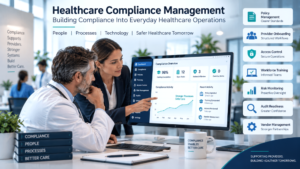
Keeping up with rules is more critical as a practice grows. Following laws like HIPAA and state rules protects against legal issues. Regularly checking compliance helps your practice stay up-to-date with new rules while keeping operations sound.
Expanding Patient Access for Growth
Expanding patient access is key to growing in healthcare. By making services more available, providers can reach more people. This includes flexible hours, telehealth, and satellite offices.
Offering Flexible Hours to Attract New Patients
Changing practice hours to include early mornings and weekends can draw in new patients. Many people find it hard to schedule appointments because of work or family. By being more flexible, practices can make care easier to get and grow their services.
Utilizing Telehealth Services Effectively
Telehealth services are becoming more popular for better patient access. They let patients get care from home. This makes care more accessible and helps reach more people, boosting market penetration.
Opening Satellite Offices in Underserved Areas
Setting up offices in areas that need more care is a smart move. These offices can reach new patients and help fix healthcare gaps. It’s a key part of growing healthcare services where they’re most needed.
Implementing Effective Financial Strategies
Strong financial strategies are key to growing your healthcare business. They help you track progress and make smart choices. This leads to better business growth and keeps your practice running smoothly.
Tracking Key Performance Indicators (KPIs)
Keeping an eye on KPIs like revenue per visit and patient satisfaction is important. It shows how well your practice is doing and where you can get better. By checking these regularly, you can quickly adapt to changes and improve care for patients.
Diversifying Income Streams for Increased Profitability
Adding new services to your practice can bring in more money. It also gives patients more to choose from, making them happier. Working with strategic partners can also open up new revenue streams while keeping quality high.
Conclusion
To grow a healthcare practice, you need a mix of better operations, more patient access, and smart money management. This article has shown how important it is to use healthcare optimization techniques. These help make services smoother and more effective.
Standardizing how things are done and using technology are key steps. They help build a strong base for growth. This is vital for any healthcare practice looking to expand.
Also, making it easier for patients to get care is key. This includes flexible hours and telehealth options. These steps help attract more patients. Good financial management is also critical for making your practice profitable and sustainable.
Think about how you can apply these strategies to your practice. Focus on quality, efficiency, and making patients happy. Doing so will help your practice succeed and improve patient health outcomes.