Recent studies have shown a significant breakthrough in fighting obesity. They highlight GLP-1’s role in regulating appetite and metabolism. With obesity rates rising worldwide, finding effective treatments is more urgent than ever.
GLP-1 therapies hold great promise for tackling weight loss challenges. They offer hope to those battling obesity. Yet, it’s vital to note that any GLP-1 or peptide therapy should only be considered with a healthcare professional’s guidance. This ensures safety and effectiveness.
Key Takeaways
- GLP-1 plays a crucial role in regulating appetite and metabolism.
- GLP-1 therapies offer a promising solution for obesity management.
- Professional supervision is essential when considering GLP-1 treatments.
- GLP-1 weight loss treatments can lead to significant health improvements.
- Consulting a healthcare professional is the first step towards unlocking the potential of GLP-1 therapies.
Understanding GLP-1 and Its Role in Weight Management
Understanding GLP-1 is key to seeing its role in weight loss and better health. GLP-1, or Glucagon-Like Peptide-1, is a hormone that helps control hunger, blood sugar, and insulin levels.
What Is GLP-1 and How Does It Work?
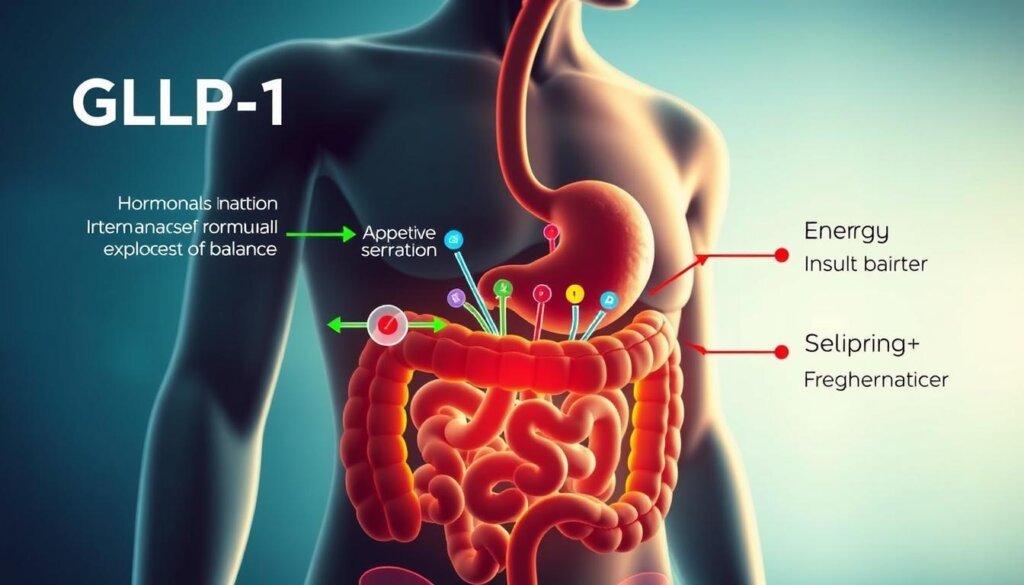
GLP-1 is made in the intestines by L cells when we eat. It helps the pancreas make more insulin and slows down how fast food leaves the stomach. This lowers blood sugar spikes after eating. GLP-1 receptor agonists work like this natural hormone, improving blood sugar control and weight.
The Science Behind GLP-1 Receptor Agonists
GLP-1 receptor agonists are medicines that mimic GLP-1’s action. They help with weight loss by making us feel full and reducing hunger. A clinical expert notes,
“GLP-1 receptor agonists represent a significant advancement in the treatment of obesity and type 2 diabetes.”
Medical Disclaimer and Professional Supervision
Starting GLP-1 therapy needs a doctor’s care. They check if it’s right for you, watch how you’re doing, and change plans if needed. Getting professional help is vital to avoid side effects and get the most from GLP-1 receptor agonists.
The Science of GLP-1 Weight Loss
GLP-1 weight loss science is complex. It involves how our body controls hunger, how food moves through our stomach, and our metabolic health. GLP-1 therapies work on these areas to help manage weight effectively.
Appetite Regulation and Satiety Signals
GLP-1 receptor agonists are key in regulating appetite. They make us feel fuller and eat less. This happens because they activate GLP-1 receptors in the brain, affecting our hunger centers.
Slowed Gastric Emptying
GLP-1 therapies also slow down how food leaves the stomach. This makes us feel full for longer. It’s another way they help with weight loss.
Metabolic Effects on Blood Sugar and Insulin
GLP-1 improves how our body handles sugar and insulin. It boosts insulin release when blood sugar is high and lowers glucagon. This helps control blood sugar and improves metabolic health, aiding in weight management.
In summary, GLP-1 weight loss science highlights its role in controlling hunger, digestion, and metabolic health. GLP-1 therapy offers a holistic approach to managing weight.
Types of GLP-1 Medications Available for Weight Management
The world of weight loss meds has grown with GLP-1 receptor agonists. These meds work like the hormone GLP-1 to control hunger and blood sugar.
FDA-Approved GLP-1 Receptor Agonists
Several GLP-1 meds are now approved for weight loss. Liraglutide (Saxenda) and semaglutide (Wegovy) are among them. They’ve been tested to ensure they’re safe and effective for weight loss.
Comparing Different GLP-1 Medications
Even though they work the same way, GLP-1 meds have their own features. For example, liraglutide is taken daily, while semaglutide is weekly. Knowing these differences helps pick the right treatment for each person.
| Medication | Dosing Frequency | Administration Method |
|---|---|---|
| Liraglutide (Saxenda) | Daily | Subcutaneous Injection |
| Semaglutide (Wegovy) | Weekly | Subcutaneous Injection |
Delivery Methods and Dosing Schedules
GLP-1 meds are given as subcutaneous injections. Some need daily shots, while others are weekly. What works best depends on the patient’s lifestyle and preferences.
In summary, there are many GLP-1 meds for weight loss. Knowing the differences helps patients and doctors choose the best option for them.
Starting Your GLP-1 Weight Loss Journey
Starting your GLP-1 weight loss journey begins with a detailed medical check-up. This is the first step to figure out if you’re a good candidate. It also helps create a plan that fits your unique needs.
Step 1: Medical Evaluation and Eligibility Assessment
A detailed medical check-up is key to see if GLP-1 weight loss treatment is right for you. Your doctor will look at your medical history, current health, and weight loss goals. This helps decide if GLP-1 therapy is safe and suitable for you.
Step 2: Setting Realistic Weight Loss Goals
Setting realistic weight loss goals is crucial for success with GLP-1 treatment. You should work with your doctor to set goals that are achievable. This takes into account your starting weight, health, and lifestyle.
Step 3: Creating a Treatment Plan with Your Healthcare Provider
Creating a treatment plan involves several important steps. This includes picking the right GLP-1 medication, setting a dosing schedule, and making lifestyle changes. Key elements of a treatment plan may include:
- Choosing the right GLP-1 receptor agonist based on individual needs and medical history.
- Developing a dosing schedule that fits into the patient’s lifestyle.
- Incorporating dietary recommendations and exercise guidelines to enhance treatment outcomes.
By following these steps and working closely with a healthcare provider, you can get the most out of GLP-1 weight loss therapy. This way, you can manage your weight in a sustainable way.
Maximizing Results with GLP-1 Therapy
To get the most out of GLP-1 therapy, you need a full plan. This includes eating right and exercising often. Knowing how to do these things well can help you lose weight and feel better.
Dietary Recommendations While Using GLP-1
Eating well is key when you’re on GLP-1 therapy. Nutritional balance is very important. You should eat lots of veggies, fruits, lean meats, and whole grains.
Here are some tips for your diet:
- Eat more foods high in fiber to feel full and keep your digestive system healthy.
- Go for lean proteins to help keep your muscles strong and healthy.
- Try to avoid foods high in calories, fat, and sugar. They can work against the good effects of GLP-1 therapy.
Exercise Guidelines for Enhanced Outcomes
Working out regularly is also very important. Aerobic exercises like walking, cycling, or swimming are great. They help your heart and can help you lose weight.
| Exercise Type | Frequency | Benefits |
|---|---|---|
| Aerobic Exercise | At least 150 minutes/week | Improves cardiovascular health, enhances weight loss |
| Resistance Training | 2-3 times/week | Builds muscle mass, boosts metabolism |
| Flexibility Exercises | 2-3 times/week | Improves flexibility, reduces injury risk |
Tracking Progress and Adjusting Treatment
It’s important to keep track of how you’re doing. Seeing your doctor regularly can help you see if GLP-1 therapy is working. You can make changes if needed.
Here are some things to watch:
- How much weight you’re losing
- Changes in your blood sugar levels
- Any side effects you might have
By watching these things and making changes, you can get the most out of GLP-1 therapy. This can help you reach your weight loss goals.
Managing Side Effects and Considerations
GLP-1 therapies can have side effects, but there are ways to lessen them. It’s important to know the possible side effects and how to handle them when starting GLP-1 treatment.
Common Side Effects and How to Minimize Them
Common side effects include nausea, vomiting, diarrhea, and stomach pain. To reduce these, start with a low dose and gradually increase it. Keeping a healthy diet and drinking plenty of water can also help.
Long-Term Considerations for GLP-1 Use
Using GLP-1 medications long-term means regular check-ups with your doctor. They will watch for thyroid problems and pancreatitis. Regular blood tests and doctor visits are key to safe treatment.
When to Consult Your Healthcare Provider
If you have severe or lasting side effects, talk to your doctor. They can change your treatment or offer more advice. Here’s when to see a doctor:
| Symptom | Action |
|---|---|
| Severe abdominal pain | Seek immediate medical attention |
| Significant changes in appetite or weight loss | Consult your healthcare provider |
| Nausea or vomiting that persists | Discuss with your healthcare provider for potential dose adjustment |
Conclusion: Embracing Sustainable Change with GLP-1
GLP-1 weight loss therapies are a new hope for those fighting obesity. They help control hunger and boost metabolic health. This makes it easier to lose weight and keep it off.
For lasting weight loss, a full plan is needed. This includes GLP-1 meds, better eating habits, and more exercise. This mix helps improve health and lowers the risk of obesity problems.
Studies show GLP-1 is very effective in fighting obesity. Many people have lost a lot of weight. As research goes on, GLP-1’s role in obesity treatment looks even more promising.
Knowing how GLP-1 helps with weight and health is key. Using it in a complete treatment plan can lead to lasting weight loss. This also cuts down the risk of serious diseases linked to obesity.