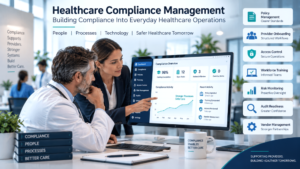
Did you know nearly 60% of healthcare organizations have faced a data breach in the last two years? This shows how vital healthcare compliance systems are. They are more than just rules; they protect patient data and build trust in healthcare.
By using medical compliance software and regulatory tools, healthcare teams can work better and follow the law. This leads to safer and better care for patients. Knowing how compliance software works is key for improving both the organization and patient care.
Puntos Clave
- Healthcare compliance systems are key for protecting patient data.
- Nearly 60% of organizations face data breaches, showing compliance’s importance.
- Good systems boost patient safety and trust in healthcare.
- Medical compliance software helps meet legal standards.
- Regulatory tools support organized healthcare operations.
- Compliance management software is essential for managing risks.
Understanding Healthcare Compliance
Healthcare compliance is key to ethical practices in the medical field. It follows laws and rules to protect patient rights and keep operations fair. Knowing this is vital for healthcare leaders. It makes sure everyone knows their part in keeping things right.
Definition and Importance
Healthcare compliance means following rules to stop fraud and keep patients safe. It’s about making sure healthcare providers follow the law. Training staff well helps keep everyone safe, including patients and healthcare workers.
Key Stakeholders in Compliance
Many groups help make healthcare compliance work. They include:
- Regulatory bodies: Groups like the Office of Inspector General (OIG) and the Centers for Medicare & Medicaid Services (CMS) make the rules.
- Legal experts: Lawyers help healthcare places understand and follow the law.
- Healthcare providers: Hospitals and clinics must follow rules to stay compliant.
Together, these groups help make sure healthcare follows the rules. This is important for keeping things right in healthcare.

The Importance of Compliance in Patient Safety
Keeping a healthcare environment compliant is key to patient safety. Strong HIPAA compliance solutions are vital to protect patient data. This is even more important as data breaches and unauthorized access to health info grow.
Protection Against Data Breaches
Healthcare today faces big risks from data breaches. These breaches can harm patient privacy. By doing thorough healthcare compliance audits, places can find and fix weak spots.
Good healthcare risk management plans help keep patient info safe. This makes sure it’s not seen by those who shouldn’t see it.
Enhancing Trust and Transparency
Trust is essential in the doctor-patient relationship. Following strict compliance rules shows healthcare providers are ethical. When patients know their data is safe, they share more.
This openness builds trust and improves care quality. In short, focusing on compliance is key to keeping patients safe and happy.
Healthcare Compliance Systems That Improve Patient Safety
Healthcare compliance systems are key tools for organizations to follow complex rules. They use compliance management software to meet standards and improve patient care. This section explains how compliance software helps make patient care safer.
Overview of Compliance Management Software
Compliance management software is a central platform for managing rules. It has tools for tracking compliance with laws like HIPAA and HITECH. With these systems, organizations can spot and fix compliance issues early, reducing risks.
Benefits of Effective Compliance Systems
Effective compliance systems bring many benefits for patient safety and work efficiency. Key advantages include:
- Reduced Legal Risks: Following rules well lowers the chance of lawsuits and fines.
- Enhanced Patient Safety: Staying compliant helps improve care quality and protect patients.
- Improved Operational Efficiencies: Automating compliance saves time and cuts costs.
| Beneficio | Descripción |
|---|---|
| Reduced Legal Risks | Mitigates lawsuits and fines by following rules. |
| Enhanced Patient Safety | Boosts care quality by sticking to safety standards. |
| Improved Operational Efficiencies | Reduces time and costs by automating compliance. |
Key Regulations Governing Healthcare Compliance
The healthcare industry follows key regulations to ensure patient safety and trust. Healthcare leaders must know about HIPAA, HITECH, and other laws. These rules guide how healthcare is run and patient care is given.
HIPAA and HITECH
HIPAA is all about keeping patient info private and safe. It has strict rules to protect patient data. The HITECH Act adds more rules, focusing on electronic health records.
Together, HIPAA and HITECH make sure patient data is safe. They help healthcare organizations pass audits and protect patient information.
Other Important Compliance Laws
There are more laws that help healthcare stay strong. The Emergency Medical Treatment and Labor Act (EMTALA) makes sure everyone gets medical help, no matter what. The Patient Safety and Quality Improvement Act (PSQIA) helps improve care by reporting and analyzing safety events.
The Sarbanes-Oxley Act is also key, focusing on financial practices. It makes sure healthcare is accountable and of high quality. Knowing these laws helps healthcare organizations keep patients safe.
Best Practices for Implementing Compliance Programs
Implementing healthcare compliance programs is key to protecting patients and following rules. It’s not just about knowing the laws. It’s about working together to follow ethical standards. This approach helps avoid problems and keeps the organization strong.
Creating a Compliance-Focused Culture
Starting a compliance-focused culture needs leadership support. When leaders push for compliance training, it sets a good example. Employees should feel safe sharing concerns, creating a clear and open space.
Having clear rules and updates on compliance systems keeps everyone on track. This makes sure everyone knows how important following rules is.
Regular Training and Auditing
Training and audits are essential for strong compliance programs. Training keeps staff updated on new rules and their roles. Audits help find and fix any compliance issues.
Regular checks make sure everyone follows the rules. This leads to better care for patients. For more help, look into partnership opportunities that support compliance goals.
Conclusión
Healthcare compliance systems are key to keeping patients safe and following the law. They help healthcare groups make sure they are doing the right thing. This makes sure patients get the best care possible.
Using top-notch compliance software is a smart move for healthcare places. It builds trust and makes sure patients get better care. As healthcare changes, following rules will be more important than ever.
Putting compliance first shows a commitment to safety and quality. It helps healthcare groups deal with the challenges of caring for patients. They can keep up with laws and give the best service.