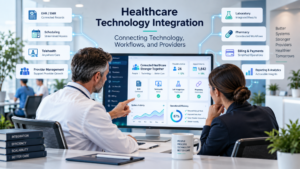
Did you know patients in integrated healthcare systems see a 30% drop in hospital readmissions? This shows how well coordinated care networks work. They make sure patients get the best care from all doctors, smoothly.
Places like Kaiser Permanente and the Mayo Clinic lead the way. They show how combining healthcare can make care better and cheaper. As more people need healthcare, knowing how these systems work is key for better patient care.
Puntos Clave
- Integrated healthcare systems reduce hospital readmissions significantly.
- Coordinated care networks facilitate seamless patient experiences.
- Efectivo healthcare network integration enhances collaboration among providers.
- Organizations like Kaiser Permanente showcase the success of integrated care.
- Improving patient outcomes through comprehensive services is a major benefit.
The Need for Integrated Healthcare Systems
The modern healthcare world faces big challenges. Traditional care often leads to gaps in communication among providers. This causes inefficiencies and a lack of cohesive patient care. We need a shift towards integrated healthcare systems to connect all parts of patient care.
Addressing Fragmentation in Care Delivery
Patients often deal with a complex system of separate providers. This can lead to errors and delays, hurting patient outcomes. By integrating healthcare, we can make care delivery smoother and more effective.
Rising Financial Pressures in Healthcare
Healthcare costs are going up, forcing organizations to change. Integrated systems can make care more efficient and cost-effective. They help providers use resources better, keeping costs down while maintaining quality care.
Increasing Demand for Comprehensive Services
Patients now want a holistic approach to health. Integrated systems can meet these needs, providing a unified model for care. This focus on patient-centered care is key for healthcare organizations to serve their communities well.
Understanding Integrated Healthcare Systems
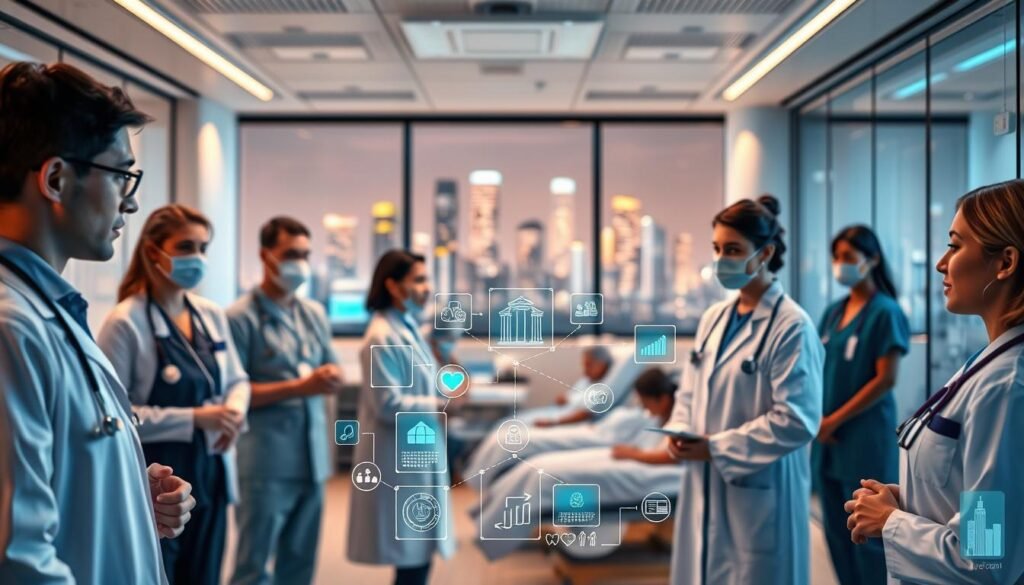
Integrated healthcare systems are key to better patient care. They bring together hospitals, outpatient services, and more. This creates a system where patient care flows smoothly.
These systems focus on care coordination, shared medical records, and patient-centered care. This makes care more efficient and effective.
Definition and Key Components
Integrated healthcare systems aim to give patients continuous care. They improve care quality and efficiency. The main parts are:
- Care Coordination: It ensures all care aspects are managed well by different providers.
- Shared Medical Records: Access to patient info helps manage care better and lowers errors.
- Patient-Centered Services: Care is tailored to the patient’s needs and preferences.
Types of Integration: Vertical and Horizontal
Knowing the types of integration helps understand their benefits. Vertical integration combines different care levels under one management. This ensures patients get the right care at each stage.
Horizontal integration brings together similar services from various providers. For example, different clinics can work together to improve patient care. This leads to better communication and teamwork.
Organizations like Longevity Health Plans support modern patient care. They help shape the future of healthcare.
Benefits of Integrated Healthcare Systems
Integrated healthcare systems bring many benefits beyond traditional care. They lead to better patient care and more efficient operations. These changes help improve health outcomes and focus more on the patient.
Improved Patient Outcomes and Satisfaction
Integrated systems are key to better patient care. They make care smoother by coordinating different parts of treatment. This teamwork helps meet each patient’s needs, making them happier.
Studies show patients in these systems feel better and get quality care. This shows the power of working together in healthcare.
Cost-Effectiveness and Resource Utilization
Integrated healthcare is also cost-effective. It streamlines care and cuts out unnecessary steps. This saves money for both patients and healthcare providers.
It also means patients wait less and get care that flows better. This leads to lower costs and better use of resources.
Enhanced Access to Care
Integrated systems make healthcare more accessible. They offer a range of services in one place. This means patients get the care they need sooner.
It also helps prevent health problems. This approach supports the goals of holistic healthcare, focusing on wellness at every stage of life.
How Integrated Healthcare Systems Transform Patient Care
Integrated healthcare systems make patient care better by improving care coordination and using health data wisely. They ensure that healthcare providers work together well. This leads to more complete and effective treatment for patients.
This teamwork helps patients get better care. It makes them more involved in managing their health. This is key to improving health outcomes.
Role of Care Coordination in Better Health
Care coordination is key to better health. When doctors and nurses share information, they work better together. This makes treatment more effective and supportive.
It creates a team effort to meet each patient’s needs. This reduces care gaps. It helps manage chronic conditions better, which is vital in integrated health.
Utilizing Health Data for Enhanced Patient Management
Using health data is important for managing patients. It helps doctors make better decisions. They can track progress and adjust plans as needed.
By analyzing data, they spot trends and outcomes. This guides them to use evidence-based practices. It ensures care is up-to-date and effective.
| Care Coordination | Health Data Utilization | Outcomes |
|---|---|---|
| Improved communication among providers | Access to complete patient records | Better chronic disease management |
| Personalized care plans | Data-driven decision making | Increased patient satisfaction |
| Timely intervention capabilities | Identification of health trends | Enhanced health outcomes |
Conclusión
Integrated healthcare systems are a big step forward in healthcare. They tackle the problems of broken care and high costs. These systems make care better and easier for patients by working together and using health data well.
They focus on the whole person, not just symptoms. This way, doctors can work together for better results. It makes healthcare more effective and patient-friendly.
Looking ahead, these systems will keep improving patient care. They make healthcare better by connecting people and making things more efficient. This helps meet the growing need for quality healthcare services.